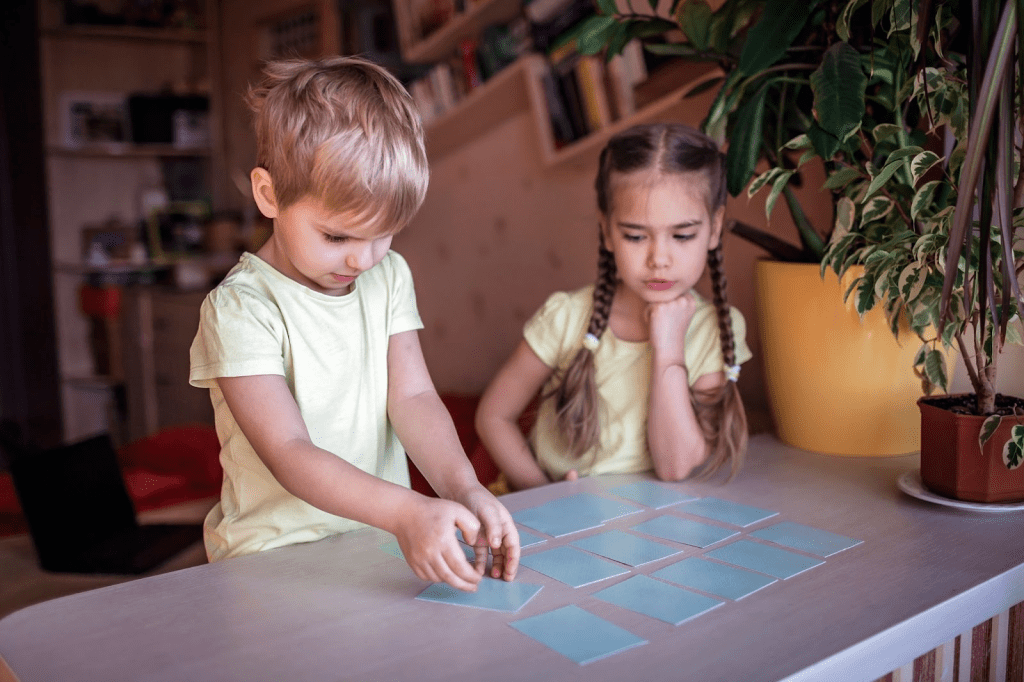
In a world filled with distractions, developing critical FCM99 thinking skills is essential, especially for teenagers. Critical thinking—the ability to analyze, evaluate, and make decisions based on logical reasoning—is not only valuable for academic success but also for navigating everyday life and solving real-world problems. One great way to hone these skills is through indoor games that require problem-solving, strategy, and careful decision-making.
Whether you’re looking to enhance problem-solving abilities, boost creativity, or simply engage in a fun mental workout, indoor games can be the perfect platform for teens to strengthen their critical thinking skills. In this article, we’ll explore several critical thinking games that teens can play indoors to challenge their minds while having fun.
- Chess: The Timeless Game of Strategy
Chess is one of the most powerful games to cultivate critical thinking. It’s a strategic, competitive game that forces players to think ahead, plan their moves, and predict their opponent’s next actions. Chess is known for its ability to develop cognitive skills, particularly in decision-making and problem-solving.
How Chess Enhances Critical Thinking:
Strategic Planning: Teens learn to plan multiple moves in advance, balancing offense and defense.
Pattern Recognition: Chess players identify patterns in their opponent’s moves, helping them make better predictions.
Problem Solving: Every move in chess is a mini-problem that requires analysis and reasoning, which sharpens critical thinking skills.
Tips for Playing Chess:
Start by playing slower games to give ample time for thought and strategy.
Play against different opponents to adapt to various playing styles and enhance flexibility in thinking.
- Escape Room Games: Virtual or Physical Puzzles
Escape room games, both in physical locations and as board games or apps, are excellent for improving critical thinking skills. The goal is to solve puzzles, uncover clues, and complete challenges in a limited amount of time to “escape” from a themed room. These games require teens to think creatively, work as a team, and use logic to decipher clues.
How Escape Rooms Enhance Critical Thinking:
Problem Solving: Teens must analyze puzzles from different angles to unlock new challenges.
Teamwork: Most escape rooms require collaboration and communication, enhancing the ability to think critically as part of a team.
Attention to Detail: Success in escape rooms often depends on noticing small details and connecting them to larger patterns.
Tips for Playing Escape Room Games:
Pay close attention to all the clues in the room or game, no matter how small they seem.
Work together as a team, sharing ideas and brainstorming solutions to keep the flow of critical thinking.
- Sudoku: A Puzzle That Builds Logic and Patience
Sudoku is a number puzzle game that requires players to fill in a grid with numbers, ensuring that no number repeats in any row, column, or region. Though simple in design, Sudoku is an excellent exercise for developing logical reasoning, problem-solving skills, and pattern recognition.
How Sudoku Enhances Critical Thinking:
Logical Deduction: Teens need to use deductive reasoning to figure out which numbers go where.
Focus and Patience: Sudoku requires focused attention, which is critical for following through with a complex puzzle.
Pattern Recognition: Identifying patterns and making connections helps strengthen critical thinking skills.
Tips for Playing Sudoku:
Start with easier puzzles and progressively challenge yourself with more difficult grids.
Use the process of elimination to narrow down possibilities, and don’t rush to complete the puzzle.
- 20 Questions: The Game of Deductive Reasoning
20 Questions is a simple yet highly effective game that encourages deductive reasoning and logical thinking. In this game, one player thinks of an object, and the others must ask up to 20 yes/no questions to figure out what it is. The key to success in this game is to ask insightful questions that systematically narrow down the possibilities.
Think strategically about how to divide categories to narrow down the options effectively.
- Pictionary: A Creative Game That Builds Critical Thinking
While Pictionary is typically known as a fun drawing game, it also encourages critical thinking. In this game, players must draw a word or phrase without using letters or numbers, while their team tries to guess what it is. The challenge lies in thinking creatively and breaking down abstract ideas into simple visuals.
How Pictionary Enhances Critical Thinking:
Creativity and Problem-Solving: Teens must think outside the box to represent complex ideas through simple drawings.
Communication: Pictionary fosters non-verbal communication, requiring the player to convey an idea clearly without using words.
Team Collaboration: It encourages teamwork, as players work together to deduce the correct answer.
Tips for Playing Pictionary:
Focus on the most distinctive features of the word or phrase when drawing.
Encourage creative thinking and avoid overcomplicating the drawing.
- Strategy Board Games: Settlers of Catan, Risk, and More
Strategy board games, like Settlers of Catan, Risk, and Ticket to Ride, are perfect for building critical thinking skills in teens. These games require players to make decisions based on resource management, negotiation, and long-term planning.
- Riddles and Brain Teasers: Quick Mental Workouts
Riddles and brain teasers are quick, fun challenges that stimulate the brain and improve critical thinking. These can be found in books, apps, or even online websites. Riddles require players to think logically and often to see things from a different perspective, which sharpens problem-solving skills.
How Riddles and Brain Teasers Enhance Critical Thinking:
Logical Reasoning: Teens must reason through clues and eliminate false answers.
Creative Thinking: Many riddles require thinking outside the box, helping teens approach problems in novel ways.
Attention to Detail: The smallest details can often provide the key to solving the riddle, enhancing focus and observation skills.
Tips for Solving Riddles:
Take your time and think about the problem from different angles.
Don’t be afraid to ask others for hints or collaborate with friends to solve challenging riddles.
Conclusion: Critical Thinking Can Be Fun!
Critical thinking doesn’t have to be something that’s only developed in classrooms or through intense academic work. Indoor games like Chess, Sudoku, Escape Rooms, and Strategy Games are excellent tools for enhancing problem-solving abilities, decision-making, and creative thinking. They provide fun, interactive ways to exercise the mind and help teens develop valuable life skills.
 Site Title